
Electric Thermic Fluid Heater

What is Electric Thermic Fluid Heater – e-TFH

Hi-Therm Electric Thermic Fluid Heating system e-TFH is a complete solution for high temperature thermic oil applications.

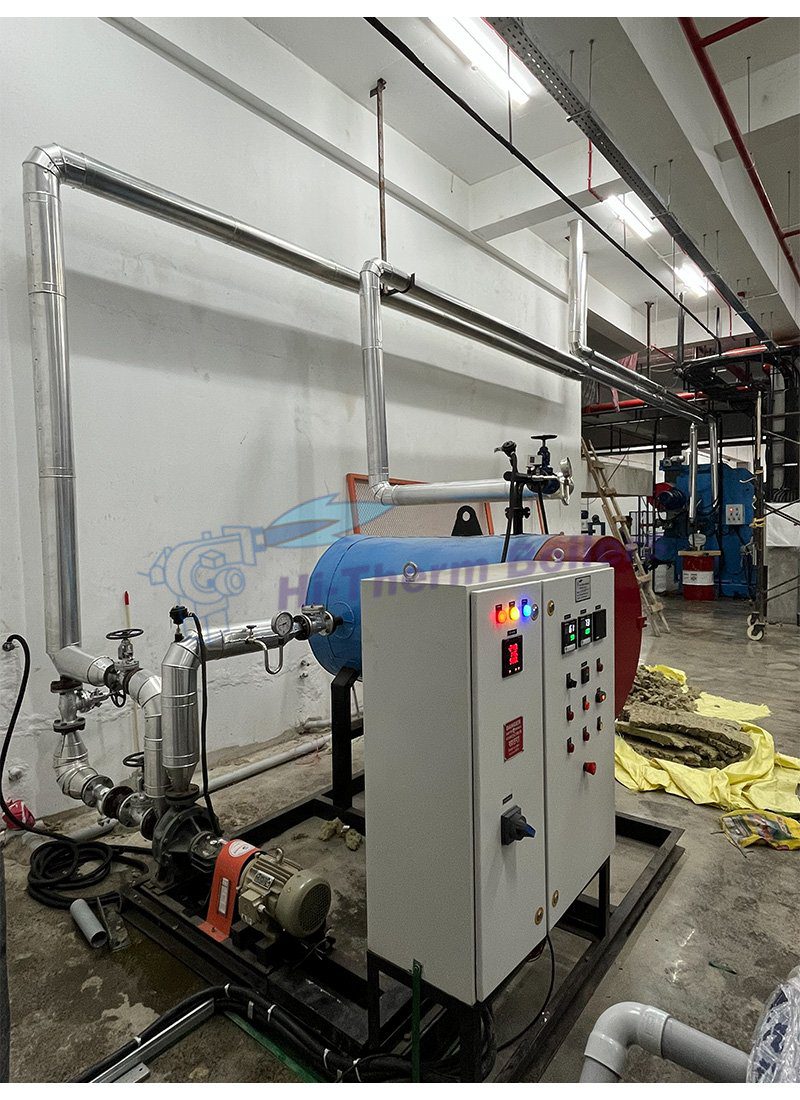
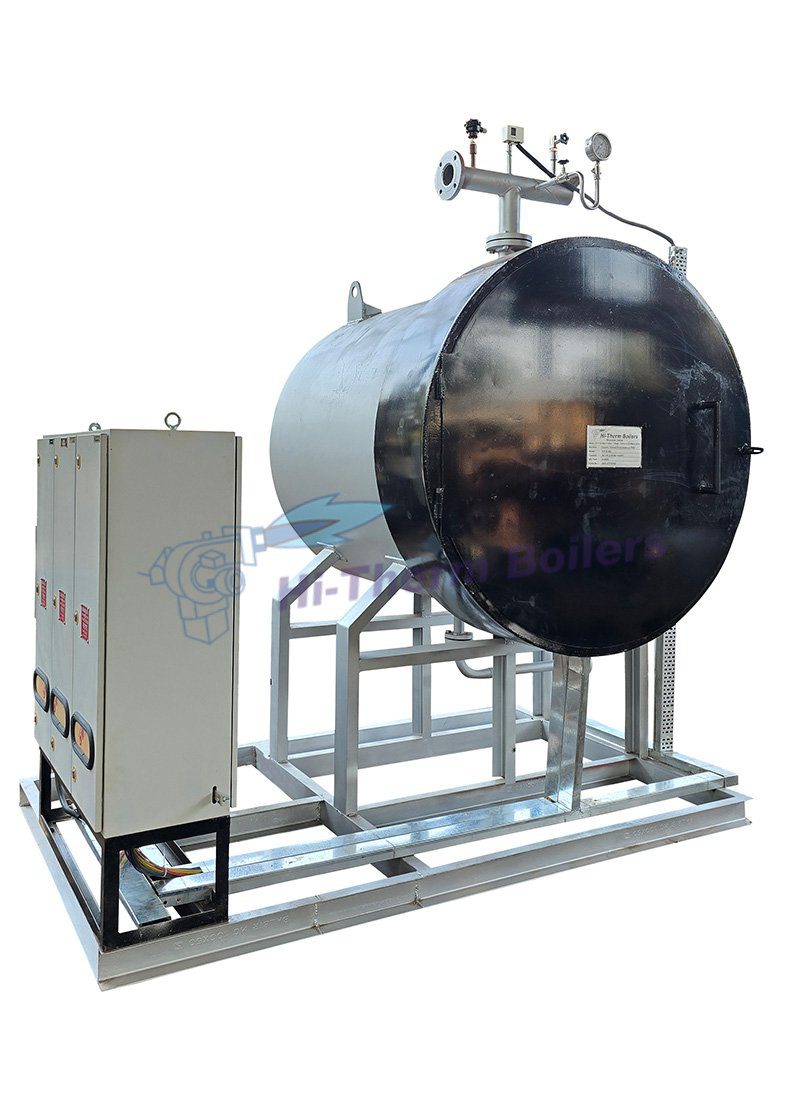
 Hi-Therm electric thermic fluid heater is a closed-loop oil heating system that employs electrical heating elements. The system comprises a closed-loop circulation of thermic oil through user equipment for process heating and the return oil is reheated in the thermic fluid heater. Unlike conventional fuel-fired heaters which burn coal, diesel or gas to heat up thermic oil, the e-TFH delivers a cleaner, safer and high efficiency alternative for high temperature applications.

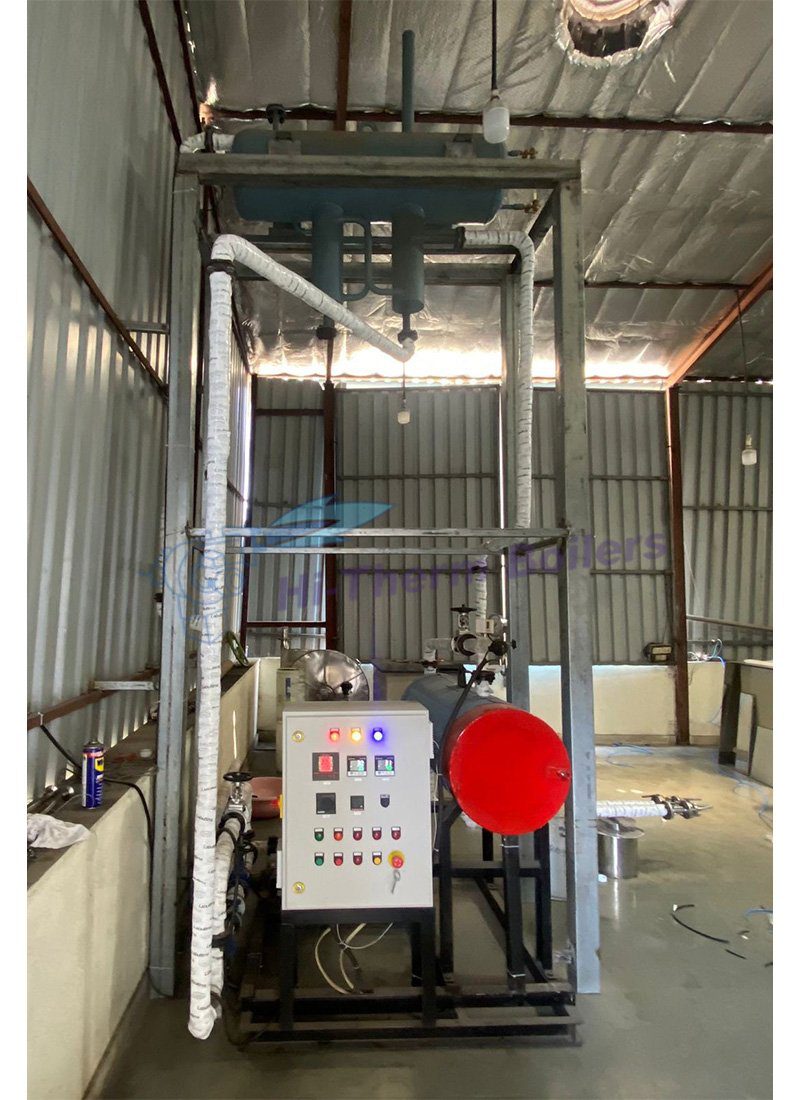
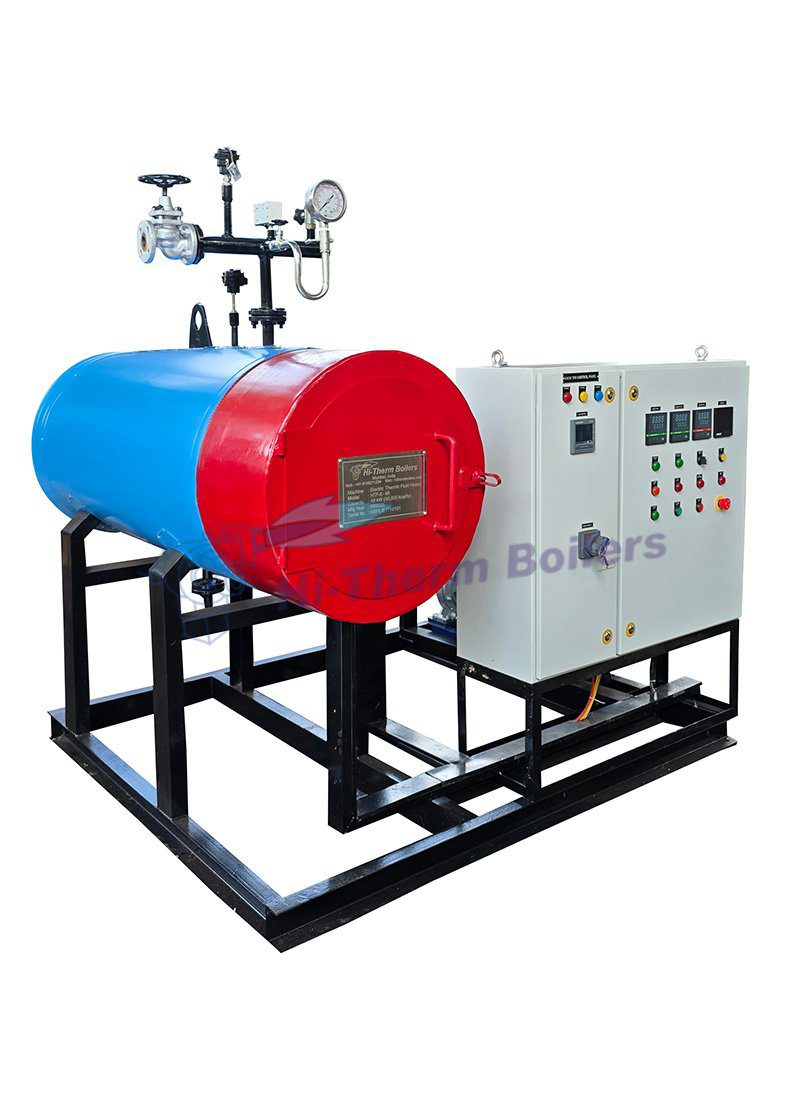
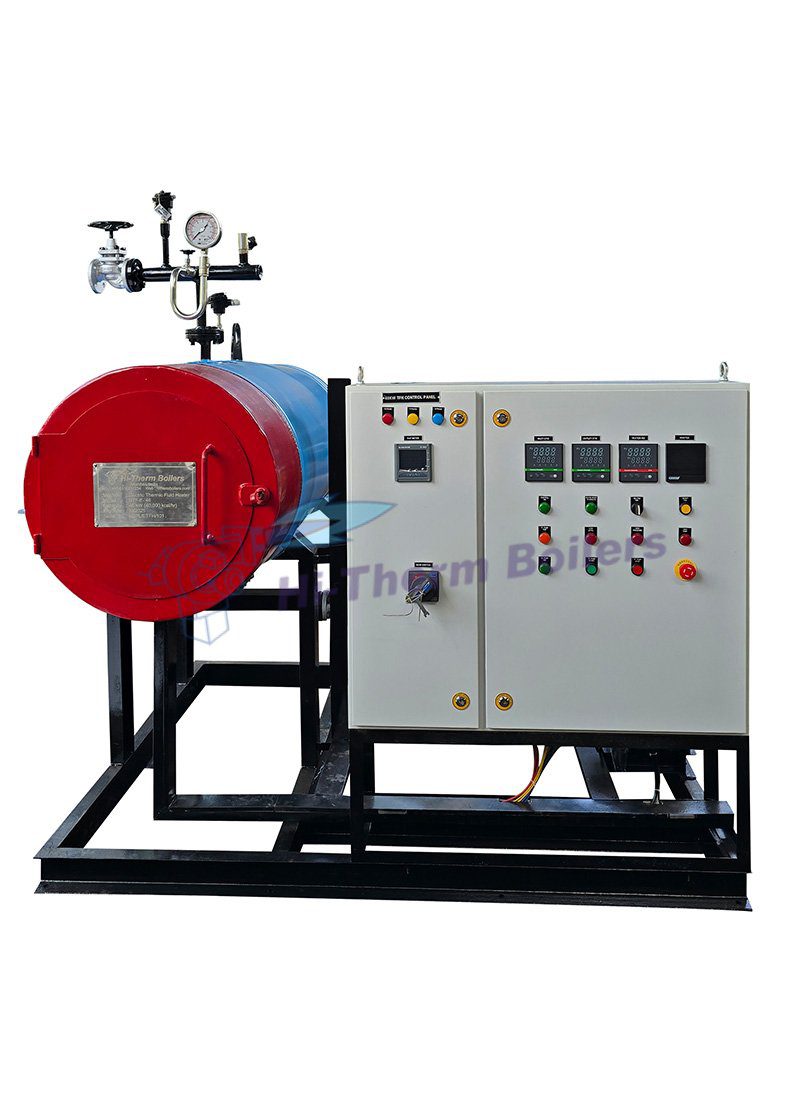
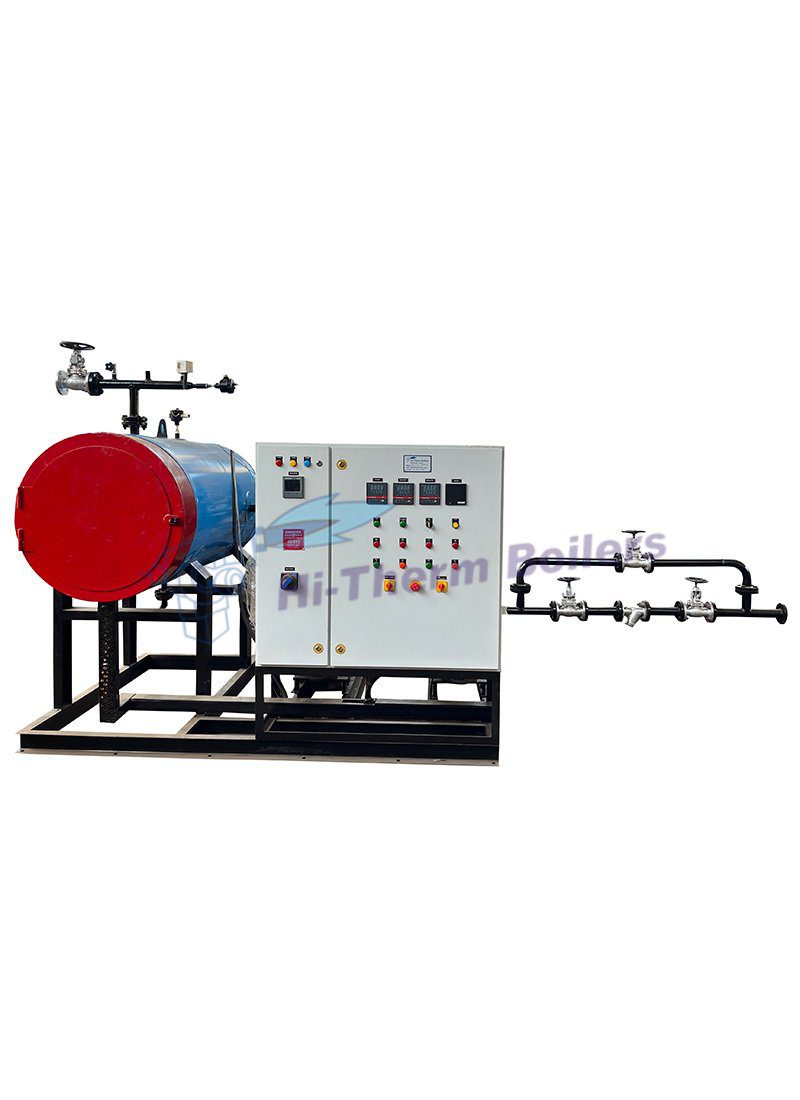
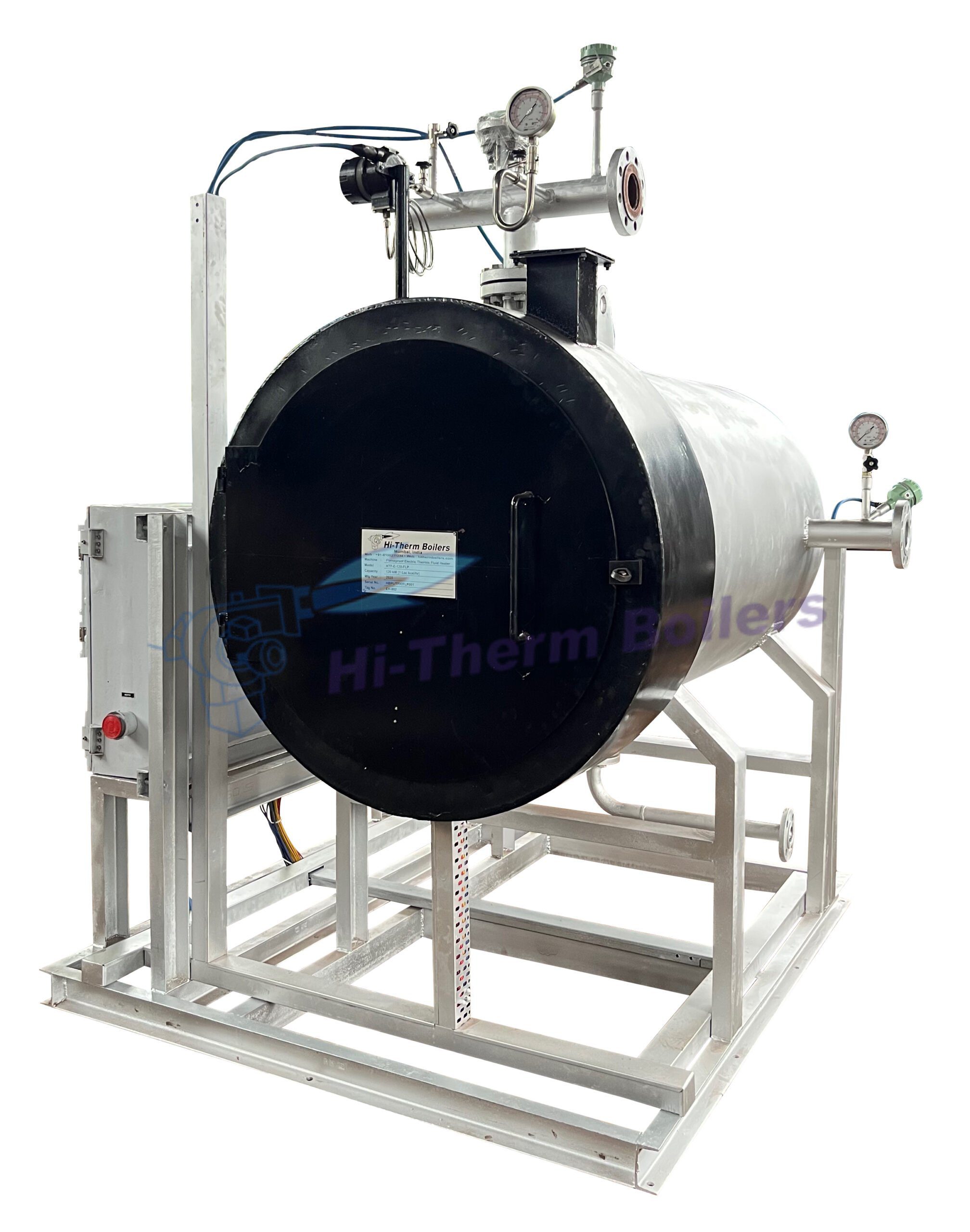
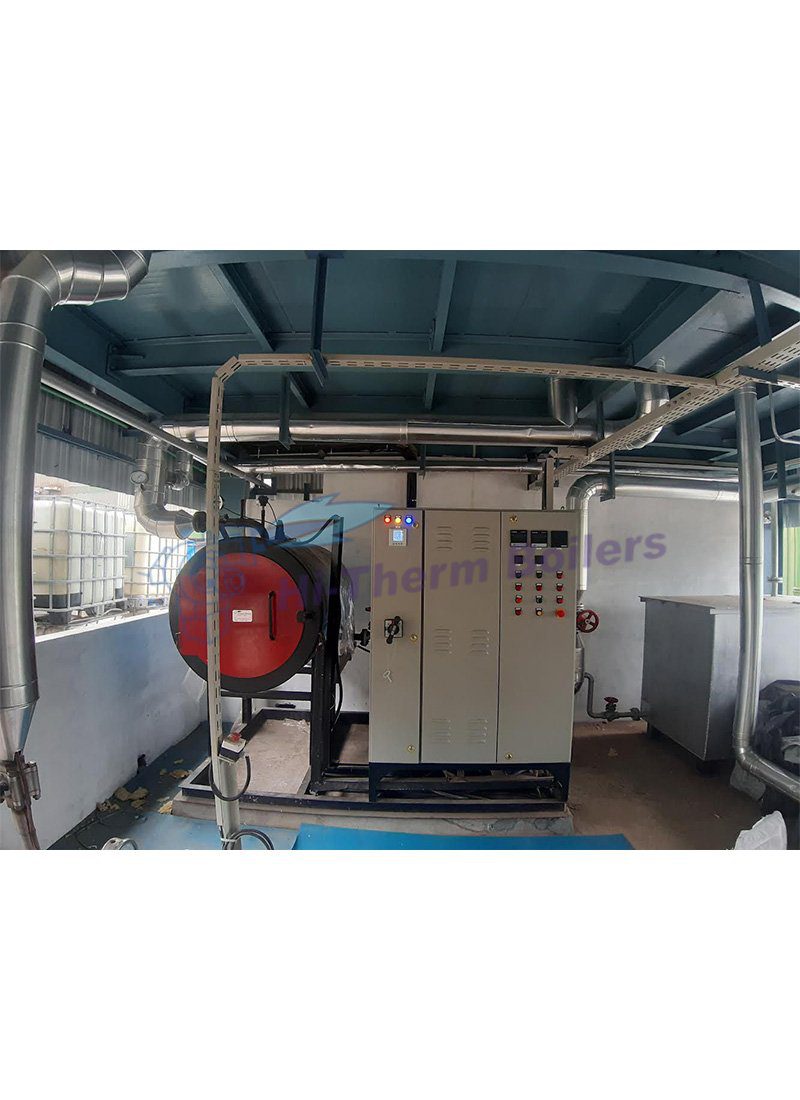
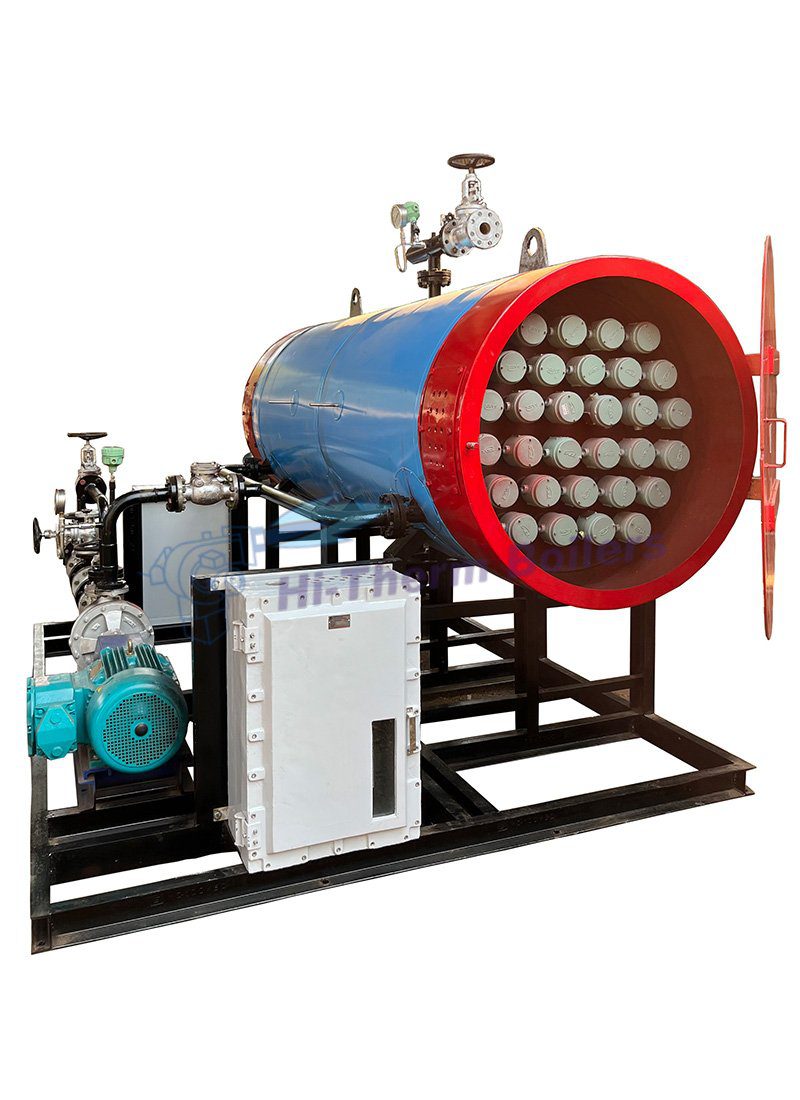
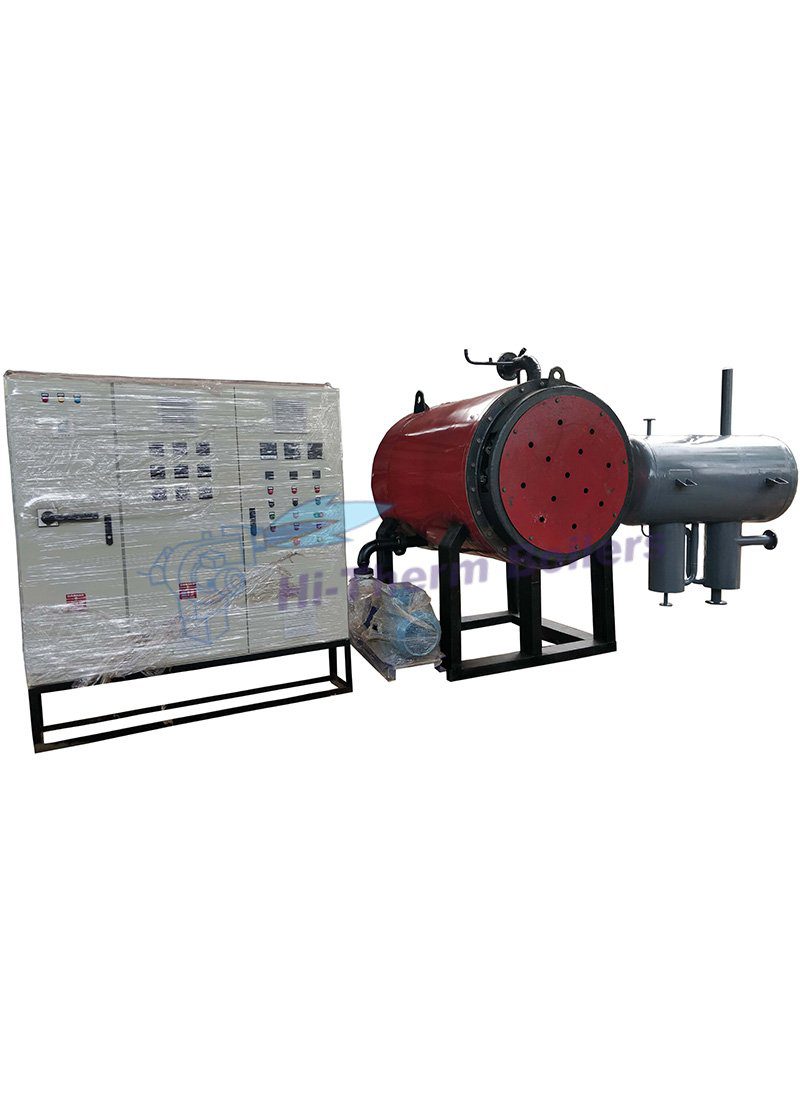
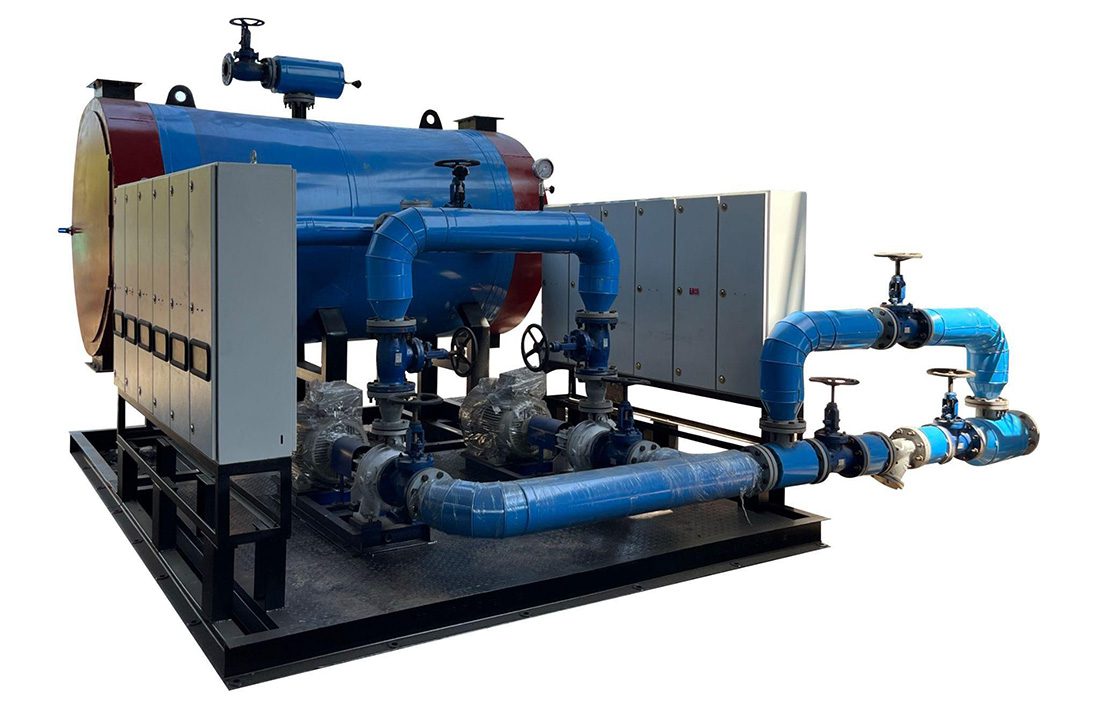
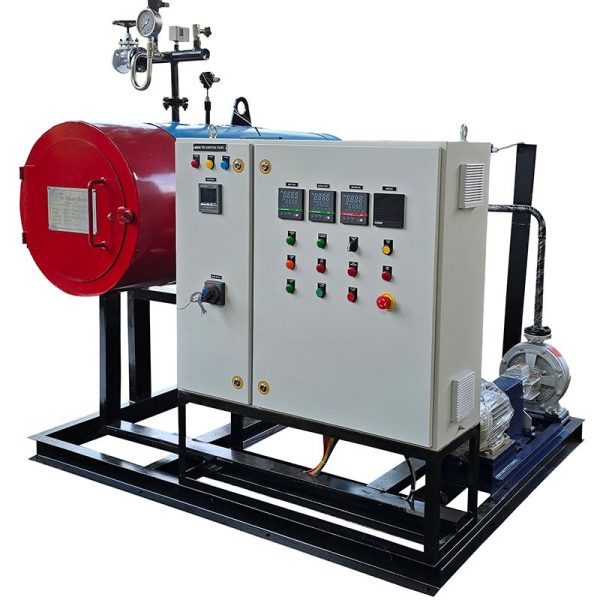
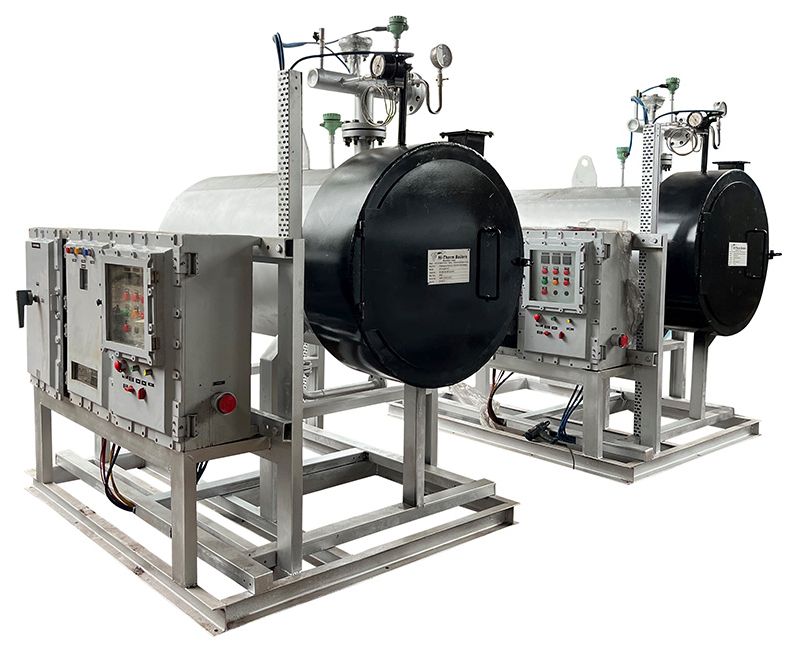
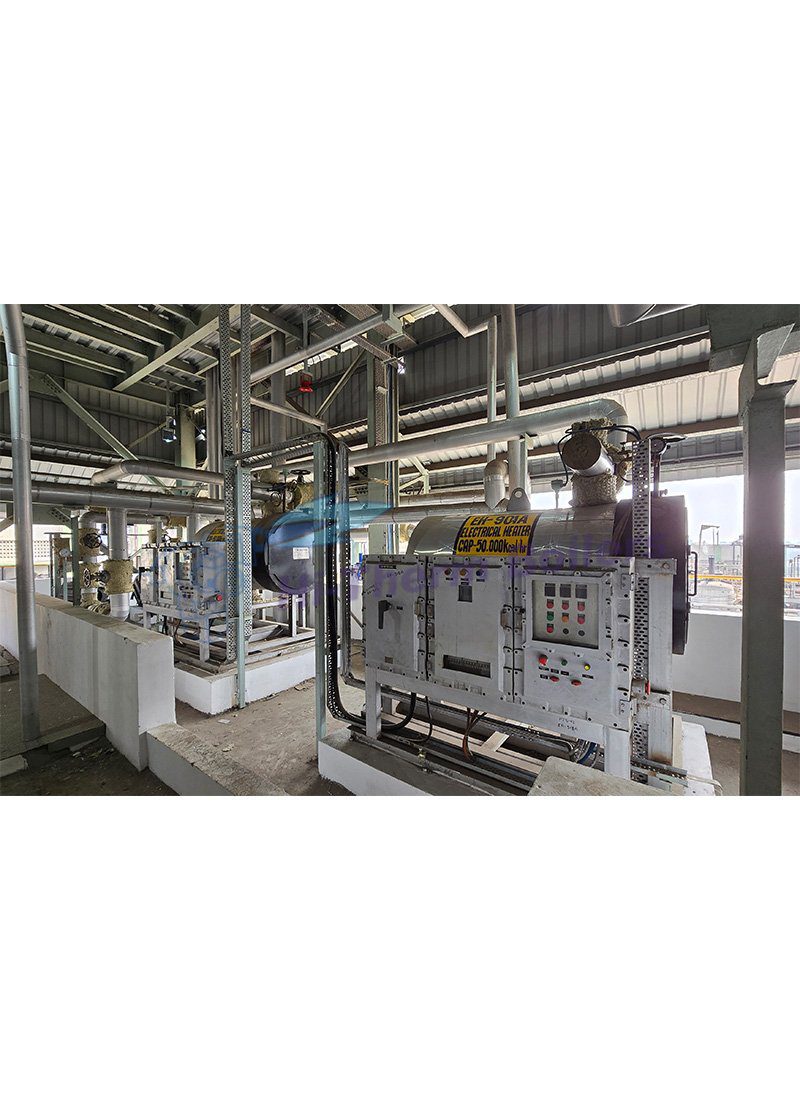
It comes as a packaged skid-mounted unit consisting of the thermic fluid heater along with the accessories such as the thermic fluid circulating pump and the control panel. The expansion cum deaerator tank is also supplied which ensures a pressure less and vapor free system. All Hi-Therm Electric Thermic Fluid Heaters are custom designed and built to meet application specifications.

Hitherm electric thermic fluid heater etfh package

Why Choose Electric Thermic Fluid Heater e-TFH

Zero Combustion, Zero On-site Emissions

Suited for industrial decarbonization and avoiding pollution norms.

Lower Maintenance & Less Downtime

Removes combustion related maintenance and hazards.

Compact Design & Silent Operation

No dedicated room required, easy installation near usage point.

Low Pressure & High Temperature

Delivers up to 340°C hot oil without high-pressure steam issues.

Flexible Capacity (12 kW – 1.2 MW+)

Standard models available with custom-built options.

Flameproof Design & Customization

Suitable for specific industrial field requirements.
e-TFH Technical Highlights
Parameter Values
Heating Capacity 12 kW to 1320 kW (10,000 Kcal/hr to 11 Lac Kcal/hr)
Max. Working Temperature 280°C (Standard) & Up to 340°C (Optional)
Power Supply Range 380-440 V / 3 ph / 50 Hz / 60 Hz (To be specified)
Thermal Efficiency 98%
Working Pressure Less than 5 Bar (Higher head available on request)
Heater Control Circuit Thyristor (SCR) based - Automatic
Heat Flux Less than 12 watts/in²
Temperature Controller PID based (1°C precision)
Turndown Ratio Step-less
Pump Type Air-cooled Centrifugal with Mechanical Seal
Temperature & Pressure Cut-off Yes
Low Level Controller Yes (Expansion Tank)
Motor Overload Protection Yes (O/L Relay Provided)
Heater Fault Protection Yes (MCBs Provided)
Multifunction Meter (MFM) Yes
Over Pressure Protection Yes (Safety Relief Valve)
HMI-PLC / DCS Operation Yes (Optional)
Design Standard Standard Engineering Practices / ASME (Optional)

State-Of-The-Art Design Features That Sets e-TFH Apart
Indirect Design

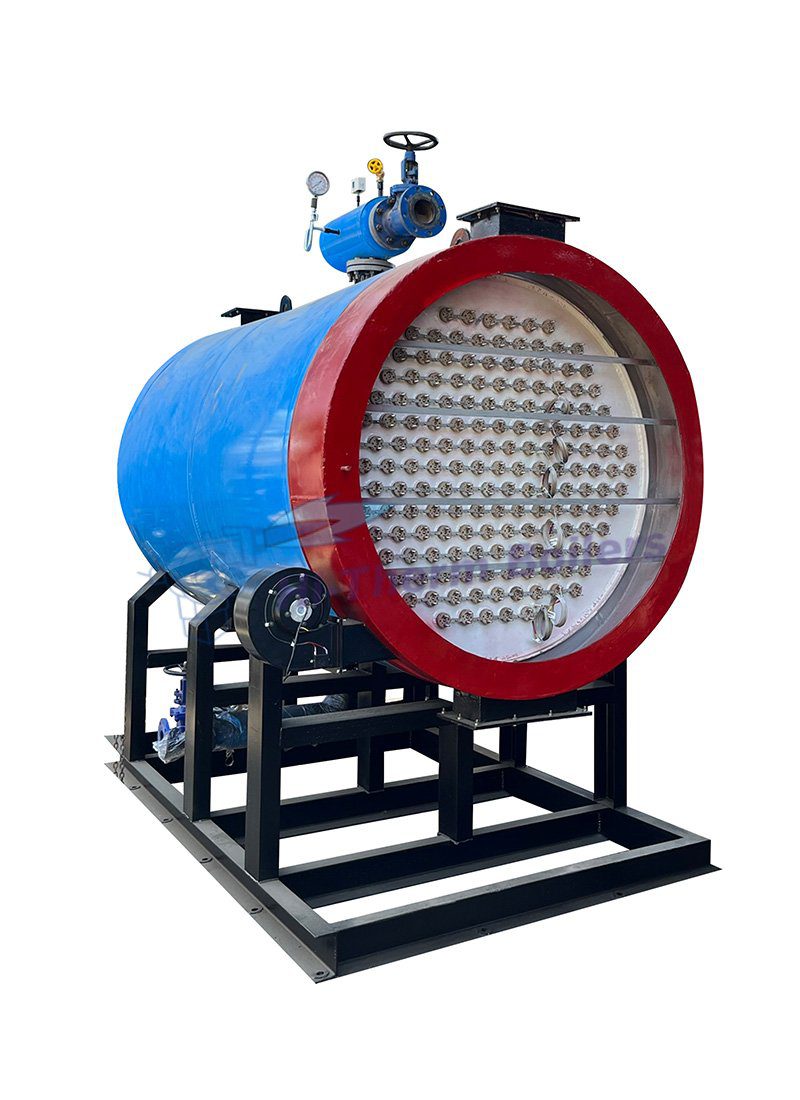
The heater is of a shell & tube type design. It has an insulated pressure vessel with indirect heating tubes. The tubes hold long-life, removable cartridge Ni-Cr heating elements. The thermic oil does not remain in direct contact with the heating elements. Contrary to immersion heaters where the heating elements are always in contact with the oil. This simplifies heater replacement without draining the system or halting the operation. It makes it ideal for continuous industrial use.

Thyristor (SCR) Operated

It ensures soft starting & efficient operation, by avoiding sudden surge of power through the heaters. This extends heating elements life by preventing sudden thermal shocks to the resistance elements. In comparison to contactors, thyristors have no mechanical contacts hence improving reliability and reducing maintenance. In case of large capacity heaters above 480 kW, the heaters are divided into multiple batches with individual thyristors which are sequentially turned on. This reduces current peaks and improves plant power factor and grid stability.
Advanced Controls & Safety

All temperature, pressure & low-level safeties protect the system along with an audio-visual alarm and incidence indicator on the control panel. The same can be remotely monitored & operated from the client's DCS. A mechanical safety relief valve at the heater outlet protects the pressure vessel in case of overpressure due to blocked discharge.
Optimized Shell & Baffles

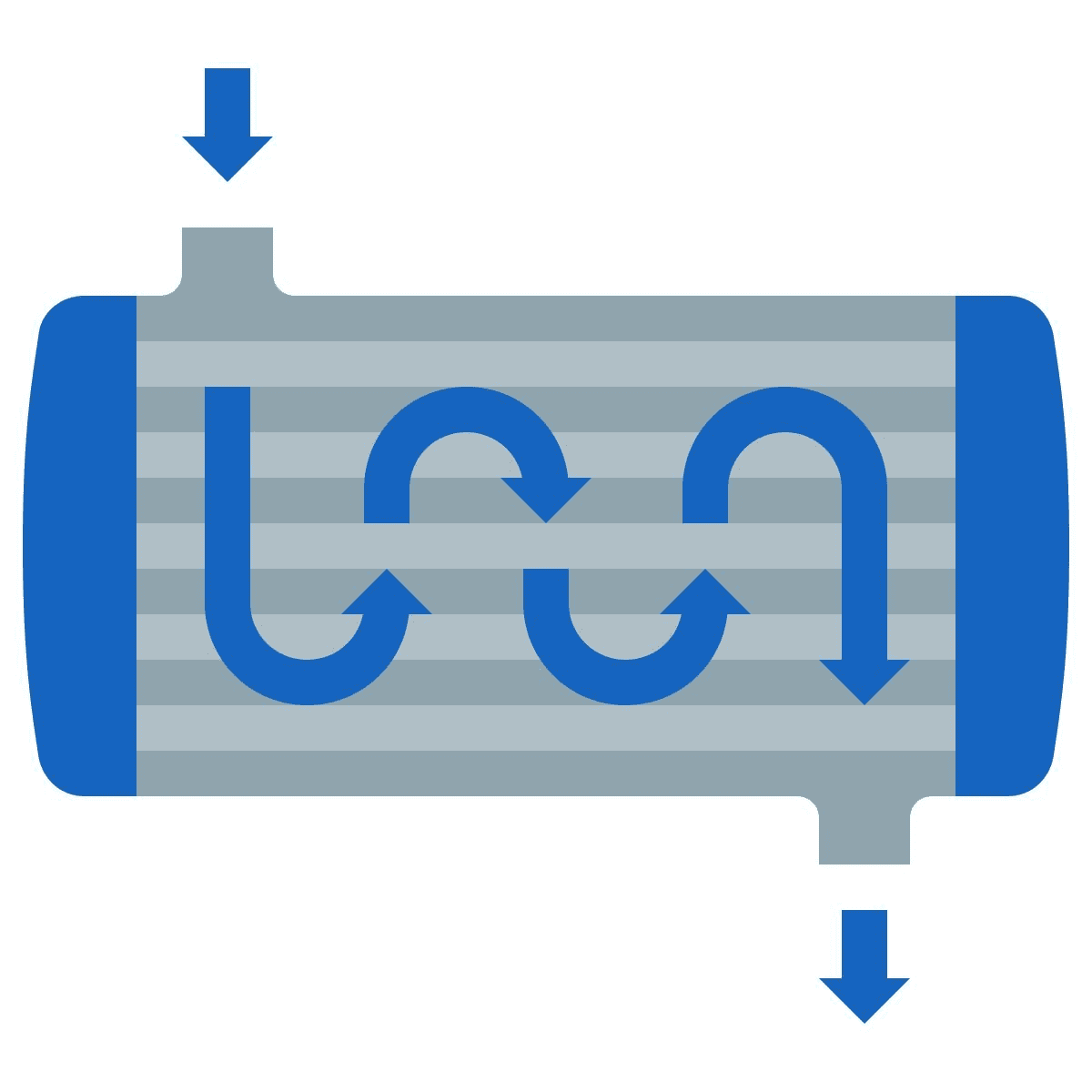
High thermic fluid volume ensures adequate thermal storage. Internal baffles designed to ensure good flow and uniform heating, preventing hotspots and also minimizing pressure drop across the heater, thereby reducing the load imposed on the circulating pump.

High Heat Transfer Efficiency

The heating surface area of the tubes are designed for adequately low heat flux. This significantly increases the life of the thermic fluid and prevents “cooking” or burning of oil. It also ensures lower thermal stress on the heater tube's surface.

Stepless Modulation & Precision Control

Outlet oil temperature is precisely maintained through the PID temperature controller set point. The PID controller provides a proportional signal to the thyristor, this system provides step-less modulation of electrical input over the full range of the heater capacity. It also enables close temperature control for accurate response and sizable power savings on part load operations.
Industry Applications of e-TFH
Chemicals Pharmaceutical Food & Beverages
Research Labs Edible Oil Processing Jacket Heating
Effluent Treatment Educational Institutions Testing Chambers
Metal Pretreatment Preheating Process Heating
Cosmetics Pilot Plants Rotary Dryers
FAQ’s

Do you have questions for our products

The heater is of a shell & tube type design. It has an insulated pressure vessel with indirect heating tubes. The heating surface area of the tubes are designed for adequately low heat flux. This significantly increases the life of the thermic fluid and prevents “cooking” or burning of oil.

The shell sizing and baffles are calculated to minimize hydraulic resistance to thermic oil flow across the heater, thus reducing load on the circulation pump. The baffles increase thermic oil residence time and provide uniform heating. Thus improving the heat transfer efficiency and leaving no dead spots to overheat.

The tubes hold long-life, removable cartridge Ni-Cr heating elements. The thermic oil does not remain in direct contact with the heaters. Contrary to immersion heaters where the heating elements are always in contact with the oil. This simplifies heater replacement without draining the system or halting the operation. It makes it ideal for continuous industrial use.

The heaters are thyristor controlled. It proportions the electrical power input to the heating elements in response to the PID temperature controller which monitors the heating element temperature. The PID controller provides a proportional signal to the power regulator, this system provides step-less modulation of electrical input over the full range of the heater capacity. It also enables close temperature control for accurate response and sizable power savings on part load operations.
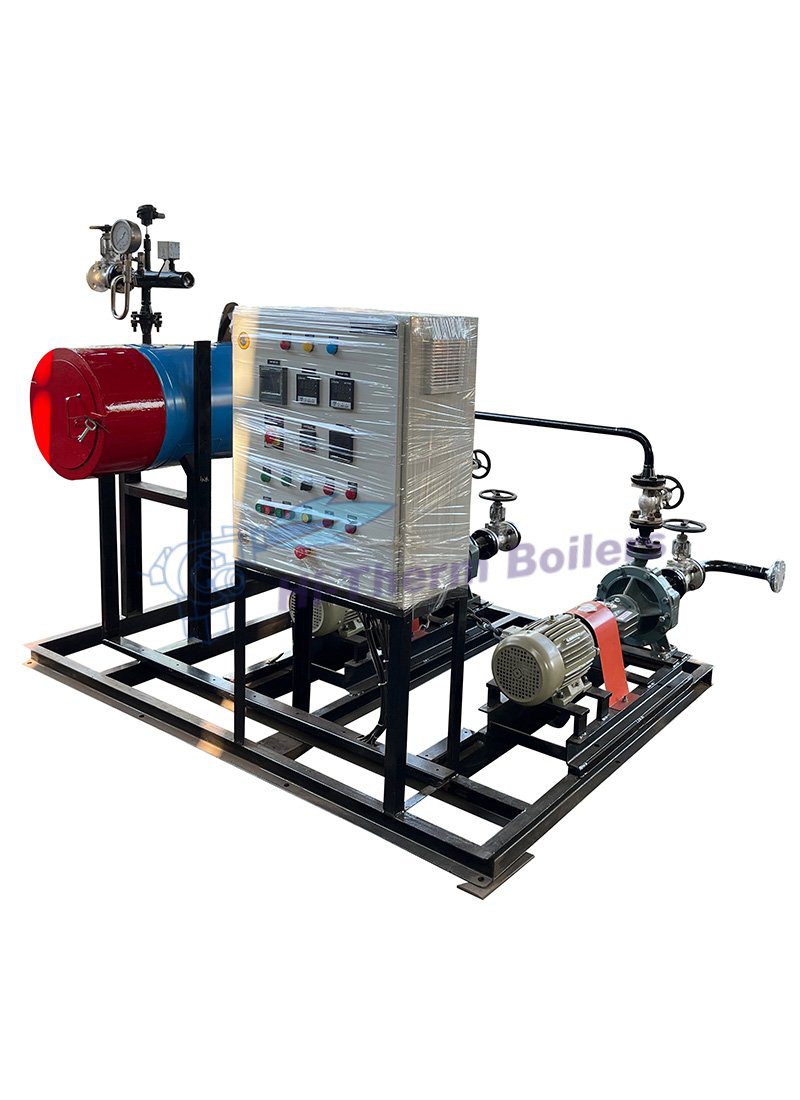
The system is fully automatic with all the safeties employed in a typical closed-loop heating system. Heater inlet & outlet temperature shut off the heater supply should the oil temperature rise above the set point. A pressure switch at the heater outlet cuts off the heaters in case of abnormal pressure. All of the above safeties protect the system along with an audio-visual alarm and incidence indicator on the control panel. A mechanical safety relief valve at the heater outlet protects the pressure vessel in case of overpressure due to blocked discharge.

In the expansion cum deaerator tank, an automatic level switch keeps the thermic oil level in check. The control system activates the heaters and pump only when the level switch signals full oil level. This low level safety lockout prevents the system from running dry, along with an audio-visual alarm and indicator on the control panel.

A centrifugal type thermic fluid pump circulates the oil through the heater. The hot oil from the heater is further circulated to the process. The oil then goes to the expansion cum deaerator tank. Here the excess vapours from the hot thermic fluid are released. The oil then returns back from the expansion tank to the pump suction, making it a closed-loop circulation.

Ask Us a Question…